Ultimate Guide to Flooding Emergency Procedures
Flooding is a natural disaster that can have devastating effects on communities and individuals. Understanding and implementing effective flooding emergency procedures can make a significant difference in ensuring safety and minimizing damage. This comprehensive guide will walk you through the essential steps and strategies to prepare for, respond to, and recover from flooding events.
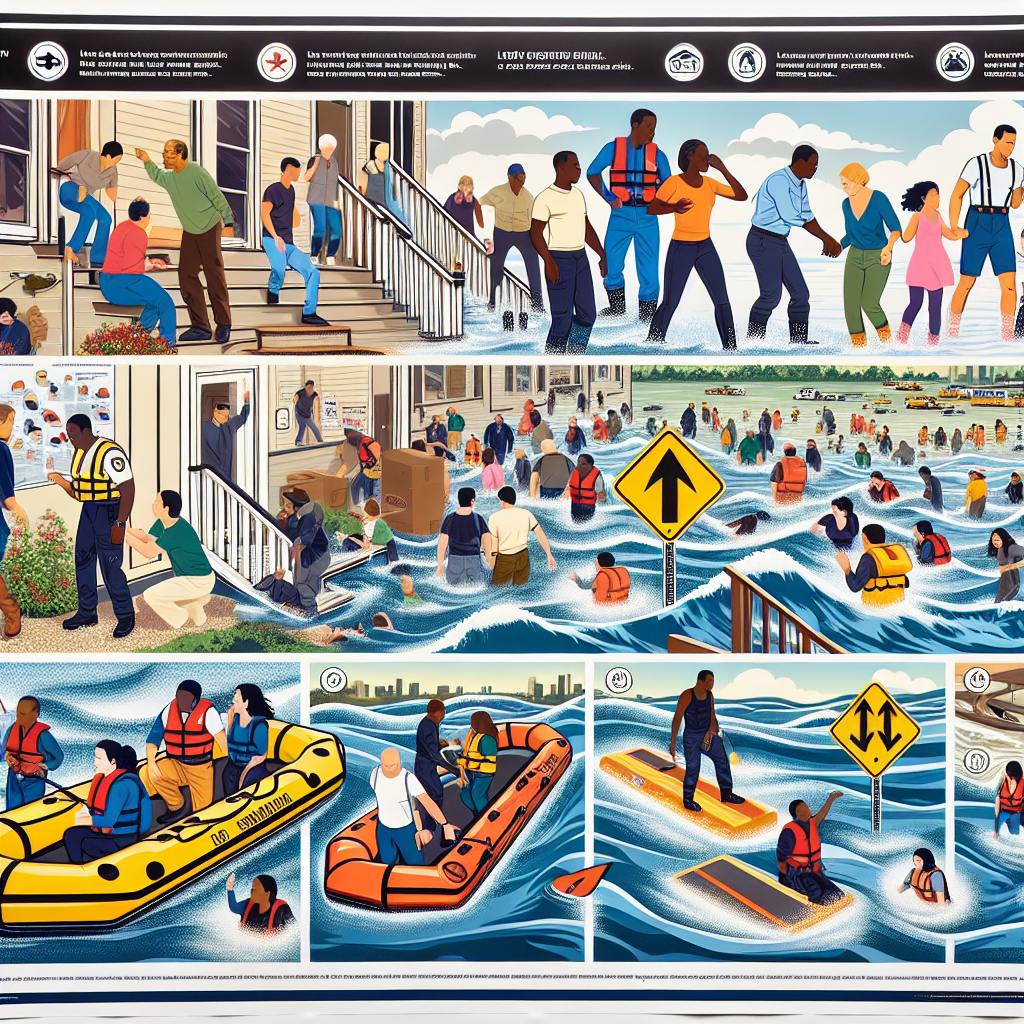
Understanding Flooding and Its Impact
Flooding occurs when water inundates land that is normally dry, often as a result of heavy rainfall, storm surges, or melting snow. The impact of flooding can be catastrophic, affecting homes, infrastructure, and ecosystems. By familiarizing yourself with flooding emergency procedures, you can better protect yourself and your property.
Types of Flooding
- Flash Floods: Rapid flooding, often caused by intense rainfall, that can occur within minutes or hours.
- River Floods: Occur when rivers overflow their banks due to prolonged rainfall or snowmelt.
- Coastal Floods: Caused by storm surges and high tides in coastal areas.
- Urban Floods: Occur in cities where drainage systems are overwhelmed by heavy rainfall.
Preparing for a Flood
Preparation is key when it comes to flooding emergency procedures. Taking proactive steps can significantly reduce the risks associated with flooding.
Create a Flooding Emergency Procedures Plan
- Identify safe evacuation routes and meeting points.
- Establish a communication plan with family and neighbors.
- Prepare an emergency kit with essentials like water, food, and medications.
- Secure important documents in waterproof containers.
Stay Informed
Keeping informed about weather conditions and flood alerts is crucial. Utilize resources like the National Weather Service for up-to-date information on weather forecasts and warnings.
Protect Your Property
- Install sump pumps and backflow valves to prevent water damage.
- Elevate electrical components and appliances above potential flood levels.
- Seal basement walls with waterproofing compounds.
During a Flood
When a flood occurs, swift action is necessary to ensure safety. Implementing flooding emergency procedures during the event can help mitigate risks.
Evacuation Procedures
- Follow evacuation orders from local authorities promptly.
- Use designated evacuation routes and avoid shortcuts.
- Do not attempt to drive or walk through floodwaters.
Safety Measures
- Move to higher ground immediately if flooding is imminent.
- Avoid contact with floodwaters, which may be contaminated.
- Keep a battery-powered radio to receive emergency updates.
After a Flood
Once the floodwaters recede, it’s essential to follow specific flooding emergency procedures to ensure a safe and effective recovery.
Returning Home Safely
- Wait for official clearance before returning home.
- Inspect your home for structural damage before entering.
- Wear protective gear to avoid exposure to hazards.
Cleaning and Restoration
- Remove standing water and dry out affected areas promptly.
- Disinfect surfaces to prevent mold and bacterial growth.
- Document damage for insurance claims and repair purposes.
Emotional and Psychological Support
Experiencing a flood can be traumatic. Seek support from mental health professionals or community resources to cope with the emotional aftermath.
For additional resources and guidance on flooding emergency procedures, visit the American Red Cross for comprehensive support and information.
Evacuation Protocols and Safe Routes: Essential Guidelines
When disaster strikes, having a clear understanding of Evacuation Protocols and Safe Routes is crucial for ensuring safety and minimizing risk. This guide provides a comprehensive overview of effective evacuation strategies and the importance of planning safe routes during emergencies.
Understanding Evacuation Protocols
Evacuation protocols are predefined procedures designed to facilitate the safe and orderly evacuation of people from a dangerous area. These protocols are vital in emergencies such as natural disasters, fires, or chemical spills.
Key Components of Evacuation Protocols
- Notification Systems: Effective communication channels are essential for alerting individuals about the need to evacuate. This can include sirens, alarms, or digital alerts.
- Evacuation Plans: Detailed plans outlining roles, responsibilities, and actions to be taken during an evacuation. These plans should be regularly updated and practiced.
- Assembly Points: Designated safe locations where evacuees can gather for further instructions or transportation.
- Special Needs Considerations: Protocols should account for individuals with disabilities or special needs to ensure their safe evacuation.
Planning Safe Routes
Identifying and planning safe routes is a critical aspect of evacuation protocols. Safe routes are predetermined paths that lead to safety, avoiding hazards and congestion.
Factors to Consider for Safe Routes
- Route Accessibility: Ensure routes are accessible to all individuals, including those with mobility challenges.
- Hazard Avoidance: Routes should bypass potential hazards such as flood zones, chemical spills, or fire-prone areas.
- Traffic Management: Plan for traffic flow to prevent congestion and ensure a smooth evacuation process.
- Signage and Markings: Clearly marked routes help guide evacuees safely to their destinations.
Implementing Evacuation Protocols and Safe Routes
Implementing effective Evacuation Protocols and Safe Routes requires collaboration between various stakeholders, including local authorities, emergency services, and community members.
Community Involvement
- Public Education: Conduct regular awareness campaigns to educate the community about evacuation procedures and safe routes.
- Drills and Exercises: Organize regular drills to practice evacuation protocols and test the effectiveness of safe routes.
- Feedback Mechanisms: Establish channels for collecting feedback from the community to improve evacuation plans continually.
Resources for Evacuation Protocols and Safe Routes
For more information on developing effective evacuation protocols and planning safe routes, explore the following resources:
Understanding Evacuation Protocols and Safe Routes
In times of crisis, understanding evacuation protocols and safe routes is crucial for ensuring personal safety and the safety of loved ones. Whether it’s a natural disaster or an emergency situation, having a clear plan and knowledge of safe routes can make a significant difference. This guide will walk you through essential aspects of evacuation protocols and how to identify safe routes effectively.
Importance of Evacuation Protocols and Safe Routes
Evacuation protocols are structured plans designed to guide individuals and communities during emergencies. Safe routes are predetermined paths that ensure a quick and secure exit from dangerous areas. Together, they form the backbone of emergency preparedness, minimizing panic and enhancing the chances of survival.
Key Components of Evacuation Protocols
- Communication Plans: Establish clear channels for receiving updates and instructions.
- Designated Safe Zones: Identify locations where individuals can gather safely.
- Role Assignments: Assign specific tasks to individuals to streamline the evacuation process.
- Regular Drills: Conduct practice drills to ensure everyone is familiar with the protocols.
Identifying Safe Routes
Safe routes are essential components of evacuation protocols. They should be planned with the following considerations:
- Accessibility: Ensure routes are accessible for all individuals, including those with disabilities.
- Obstructions: Regularly check and clear routes of any potential obstructions.
- Alternate Paths: Identify multiple routes in case the primary path is blocked.
- Visibility: Ensure routes are well-lit and clearly marked.
Creating Effective Evacuation Protocols and Safe Routes
Developing effective evacuation protocols and safe routes requires collaboration and planning. Here’s how to get started:
Community Involvement
Engage with community members to gather input and feedback on evacuation plans. This collective approach ensures that protocols consider diverse needs and perspectives. Resources like Ready.gov offer valuable guidelines for community preparedness.
Utilizing Technology
Leverage technology to enhance evacuation protocols and safe routes. Mobile apps and online mapping tools can provide real-time updates and route information. For example, the FEMA Mobile App offers alerts and tips for various emergencies.
Maintaining and Updating Evacuation Protocols
Regular maintenance and updates are essential for keeping evacuation protocols and safe routes effective. Here’s how to ensure they remain relevant:
Conduct Regular Reviews
Schedule periodic reviews of evacuation protocols to identify potential improvements. Involving local authorities and emergency services can provide expert insights.
Incorporate Feedback
After drills or actual evacuations, gather feedback from participants to refine protocols and routes. This iterative process helps address any shortcomings and enhances overall effectiveness.
Stay Informed
Stay updated on new technologies, regulations, and best practices in emergency management. Websites like the American Red Cross provide valuable resources for staying informed.
Understanding and implementing robust evacuation protocols and safe routes are critical for ensuring safety during emergencies. By involving the community, leveraging technology, and maintaining up-to-date plans, individuals and communities can be better prepared to face unexpected situations.
Evacuation Protocols and Safe Routes: Ensuring Safety During Emergencies
In times of crisis, having well-defined Evacuation Protocols and Safe Routes is crucial for ensuring the safety of individuals and communities. Whether it’s a natural disaster or a man-made emergency, knowing how to evacuate safely can make all the difference. This guide will delve into essential aspects of evacuation protocols and how to establish safe routes.
Understanding Evacuation Protocols
Evacuation protocols are systematic plans designed to move people from a dangerous area to a safer location. These protocols are essential for minimizing chaos and ensuring a smooth evacuation process. Key elements of effective evacuation protocols include:
- Clear Communication: Ensure that all individuals are informed about the evacuation plan and their roles within it.
- Regular Drills: Conduct regular evacuation drills to familiarize everyone with the procedures.
- Designated Meeting Points: Establish safe meeting points where individuals can gather post-evacuation.
Planning Safe Routes
Determining Safe Routes is a vital component of evacuation protocols. These routes should be accessible, well-marked, and free from potential hazards. Consider the following when planning safe routes:
Route Accessibility
Ensure that safe routes are accessible to everyone, including individuals with disabilities. This might involve:
- Providing ramps and handrails where necessary.
- Ensuring pathways are wide enough for wheelchairs and other mobility aids.
Route Marking and Signage
Proper signage is crucial for guiding people along safe routes. Signs should be:
- Highly visible and easy to read.
- Placed at regular intervals along the route.
- Illuminated for visibility in low-light conditions.
Implementing Evacuation Protocols and Safe Routes
Once the evacuation protocols and safe routes are established, it’s important to implement them effectively. Here are some steps to ensure successful implementation:
Training and Education
Conduct training sessions to educate individuals about the evacuation protocols and safe routes. This should include:
- Information sessions on the importance of evacuation protocols.
- Practical demonstrations of safe routes and emergency procedures.
Utilizing Technology
Leverage technology to enhance evacuation protocols. This can include:
- Mobile apps that provide real-time updates and route guidance.
- Automated alert systems to notify individuals of an evacuation.
External Resources for Further Information
For more detailed information on Evacuation Protocols and Safe Routes, consider visiting these reputable sources:
- Ready.gov – Evacuation: A comprehensive guide on evacuation planning and procedures.
- Red Cross – Make a Plan: Tips on creating an emergency plan, including evacuation routes.
By understanding and implementing effective Evacuation Protocols and Safe Routes, individuals and communities can significantly enhance their preparedness for emergencies. For more information, visit The SHTF Survivalist.